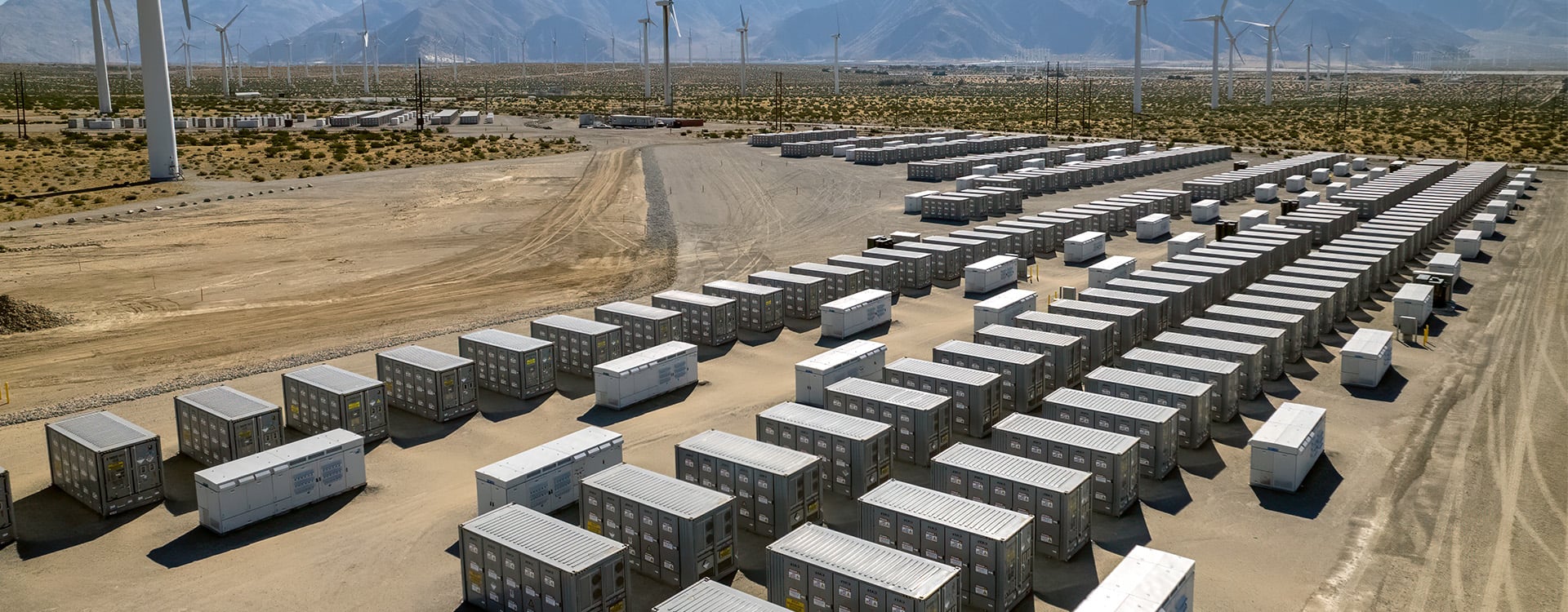
The energy landscape is evolving rapidly as electrification and digitalization reshape how we power our communities. Surging demand from electric vehicles and data centers — combined with the challenges of aging infrastructure — is driving the need for smarter, more resilient solutions. Distributed energy systems and electrification solutions are expanding capacity and improving efficiency to meet these demands while delivering reliable, localized energy that supports sustainable growth, innovation, energy security and resilience.

Transitioning to electric solutions can reduce total energy consumption and waste, making our energy systems more resilient and sustainable.

prt-wsp-haas-william
William Haas
Distributed Energy and Electrification Market Leader
United States
prf-website-red-jonat-phil
Vice President, Distributed Energy and Electrification
United States
Show more Show less
img-faqs

Distributed energy refers to smaller-scale energy generation units located close to where the energy will be consumed. Unlike traditional energy systems, which rely on large, centralized power plants and extensive transmission networks, distributed energy systems are decentralized and flexible.

Key characteristics of distributed energy include its localized nature, the use of diverse technologies and the ability to operate either connected to the grid or independently from the grid. These systems can help reduce transmission losses, increase grid reliability and provide critical backup power during outages — especially for critical infrastructure and operations.

Examples of distributed energy resources include solar panels, wind turbines, small hydro, biomass, microgrids, battery energy storage, pumped hydro, combined heat and power and demand response systems. By incorporating these technologies, distributed energy supports a more resilient and adaptable energy infrastructure, ultimately contributing to lower greenhouse gas emissions and enhanced energy security.

Electrification is transforming how we power our communities, vehicles and infrastructure — replacing fossil fuel-based systems with cleaner, more efficient electric alternatives. In transportation, this includes fleets, personal vehicles and support equipment that help reduce emissions and operating costs while improving performance. In buildings, electrification enables the shift to electric heating, cooling and equipment thereby enhancing energy efficiency and supporting climate goals. Together, these changes are critical for building a more sustainable, resilient energy future.

Electrification is going to enhance a more resilient future because, when combined with renewable energy sources, it creates a more redundant and decentralized network. This reduces reliance on centralized systems, materials, and supplies, making the grid more resilient to cyber-attacks and weather disruptions. 

Distributed energy resources, such as solar panels, wind turbines, microgrids and battery energy storage systems, play a crucial role in this transformation. By generating power closer to where it is consumed, distributed energy reduces transmission losses and increases grid reliability. Additionally, these resources can operate independently of the main grid during outages, providing critical backup power.

Together, distributed energy and electrification reduce dependency on fossil fuels and supply chains, lower greenhouse gas emissions, and enhance energy security. Effective management of energy storage and distribution ensures a reliable and efficient energy supply, minimizes costs associated with fluctuating energy prices, and strengthens overall operational stability. This comprehensive approach not only supports sustainability goals but also builds a more resilient and adaptable energy infrastructure for the future.

Electrification of economies previously stalled out at around 20-30% of total energy use, mostly for economic reasons. Fossil fuels are cheaper for winter heating, transportation fuels, and industrial heat. 

Large-scale electrification creates new challenges, such as electric grids that peak in winter for heating instead of summer afternoons for air conditioning. Solar power produces less energy during winter.

Electric grids have always been more fragile due to real-time management and lack of large-scale storage options. Large-scale electric storage solutions are critical for maintaining the balance of the electric system. Effective management of storage and distribution ensures reliable and efficient energy supply, minimizing costs associated with fluctuating energy prices and enhancing operational stability.

Renewable energy means plenty of sun and power during the day and less at night (including longer winter nights). Electric storage options include pumped hydro, battery energy storage systems, chilled water storage, and high temp thermal storage systems.

Electrification will result in significantly less total energy use, since there are lower total losses in electric systems. As an example, electric cars have significantly better energy efficiency than existing gasoline vehicles. And, since they can be charged during the day from solar panels and store that energy for several days, car batteries will become a larger portion of the daily/weekly electricity storage markets. In the future, vehicle-to-grid (V2G) technology will allow cars to provide more value to owners.

High temperature thermal storage units are a promising new technology. The simplest way to describe it is like an electric boiler that can time shift when you use that electricity. These are devices that absorb electricity when it's cheap and clean, such as solar energy, and store it for future use. For example, a college campus may have a large solar farm that produces electricity to heat the storage device. Then the device creates steam to heat buildings or to process experiments at night. The steam can be used any time of day, and the facility doesn’t need to buy electricity around the clock. Electricity is currently one of the most time dependent commodities in the world — prices fluctuate significantly throughout the day, week, month and season.

Distributed energy combined with electrification promises substantial energy savings and efficiency improvements. Fossil fuels involve significant energy losses, while electric systems, especially those from renewable sources like solar, are more efficient. For example, electric heat pumps boast efficiencies over 100%, moving heat rather than generating it. Typical heat pump systems achieve annual efficiencies over 200%, with peak efficiencies at 500%. Geothermal systems can further enhance their effectiveness, particularly in winter months.

Industrial heat processes, such as in canning or glass making, require consistent high heat and are major energy consumers. Electrification, including advanced heat pumps, can significantly reduce energy usage in these processes. We supported a multinational manufacturing company in identifying electrification opportunities in their factories, highlighting the potential for energy savings.

Distributed energy opportunities complement electrification. Using renewable sources like solar and wind, paired with storage solutions like batteries and high temperature thermal units, can stabilize the grid. Technologies such as Vehicle-to-Grid (V2G) allow electric cars to store and feed energy back to the grid, enhancing energy management. These approaches collectively reduce energy consumption, improve efficiency, and bolster grid resilience, ensuring a sustainable energy future.


img-EVP-Mining-Banner-bottom