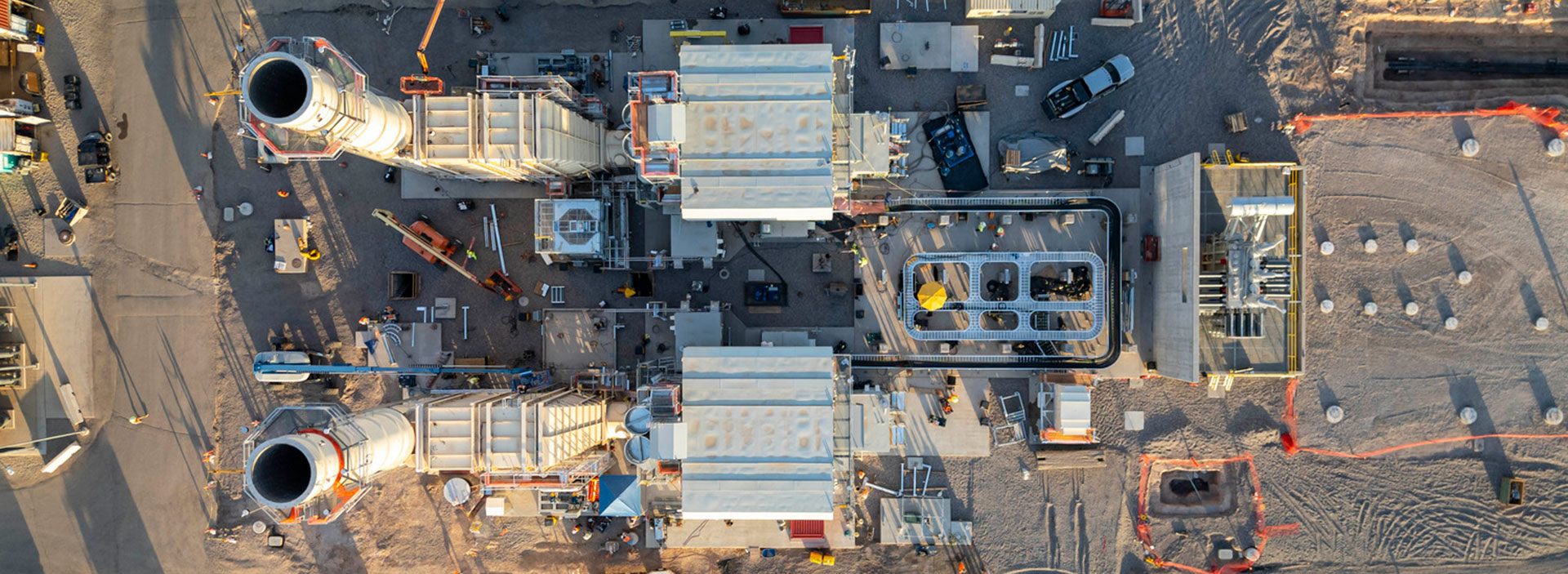
Generation resources need full lifecycle support, from deploying advanced technology on greenfield projects to upgrading existing plants. We work with clients to enhance grid stability, support renewables and protect critical access by improving reliability, integrating dispatchable power and implementing new generation and battery storage systems. 

Generation installed
15,000 MW

img power generation-1
img power generation-2
img power generation-3
Dependable, controllable power is essential for our clients. As a market leader in providing clean firming power and grid stabilization, we can ensure our clients benefit from a consistent and stable power supply.

prf-website-red-compton-paul
Paul Compton
Thermal Generation Lead
United States
prt-wsp-thompson-scott
Renewables Market Lead
United States
prf chad elder
Chad Elder
Project Management, Thermal Generation
United States
prf-website-red-lesniak-christopher
Chris Lesniak
Engineering Management, Thermal Generation
United States
prf-website-red-marenda-jason
Jason Marenda
Project Management, Renewables
United States
prf-website-red-ismail-mohammed
Mohammed Ismail
Vice President, Project Management
United States
prf-website-red-jonat-phil
Vice President, Distributed Energy and Electrification
United States
prt-wsp-chatteejee-saurabh
Saurabh Chatterjee
Renewables Development SME
United States
prf-website-red-simon-nicolas
Nick Simon
Wind Development Specialist
United States
prt-wsp-drunsic-michael-v2
Vice President, Offshore Wind Market Lead
United States
Show more Show less
img power generation-faq

We focus on speed-to-market by recommending technologies that are faster to deploy — including combinations of renewable generation, gas-fired peakers, combined cycle facilities and battery energy storage. Our team uses modular designs, streamlined permitting strategies and proven engineering templates to reduce delays. Whether you're responding to peak demand or grid-critical needs, we know how to get power online fast without compromising quality or compliance.

Permitting can be one of the biggest schedule drivers. Our specialists tackle it early by identifying fast-track pathways, bundling environmental reviews and coordinating early with agencies. We use digital tools like GoldSET© for data-driven siting and increased stakeholder engagement. We also build trust with communities and regulators through proactive engagement and tailored strategies to each jurisdiction. That way, you avoid delays and move forward with confidence, knowing the regulatory side is covered.

Learn more about our power planning and permitting expertise.

We work with you to select delivery models that match your goals — whether that’s Engineering, Procurement, and Construction (EPC), design-build or phased development. We support partial capacity strategies, digital coordination tools and flexible contracting to keep things moving. By aligning the right model with the right team, we help you meet urgent power needs and stay ahead of schedule.

Learn more about our program management and alternative delivery expertise.

Behind-the-meter (BTM) generation enables mission-critical facilities to produce power onsite, enhancing control, resilience and cost savings by reducing reliance on the grid. Key considerations include ensuring extremely high reliability (99.995% uptime) through integration with battery storage and redundant systems, critical for continuous operations. Power sources vary and can include renewables paired with storage, natural gas, and nuclear, including Small Modular Reactors. Designs must address scalability, permitting and regulatory compliance, while leveraging energy management systems for optimized load and cost control. BTM generation helps reduce grid dependence, lower energy costs and improve sustainability, ensuring resilient, continuous power vital for modern infrastructure. 

The schedule for building a new thermal generation facility depends on several main factors. First, choosing the right site and getting permits can take over a year, as this requires detailed environmental reviews, regulatory approvals and public meetings. Next, the design and engineering phases involve careful planning for plant systems, which directly affect when equipment can be ordered and construction can begin. Ordering major equipment like boilers, turbines and generators is another key step since these items can take many months to arrive, especially if there are supply chain delays. Construction itself includes preparing the site, building structures and installing equipment, often taking a few years depending on the project's size and complexity. Finally, there's a startup and testing phase to make sure everything works safely and as intended. From start to finish, it typically takes between 3.5 and 5 or more years to complete the project, with permitting, equipment delivery and construction being the biggest factors affecting the schedule.

Learn more about our thermal energy expertise.

Thermal generation project development involves several considerations that must be proactively managed to ensure successful outcomes. Environmental considerations involve air emissions, water use, thermal discharges and waste management. Generation plants, for example, require water to cool their systems and management of the discharge is essential to avoid environmental impacts. Regulatory policies evolve and can impact projects through increased costs and changing market focus. Each of these changes can impact the profitability model upon which the project assumptions were created. Successfully navigating project permitting requires building community trust by clearly communicating the project’s benefits. Through proactive engagement, agile planning and through environmental and regulatory compliance projects can reduce uncertainty, avoid costly delays and strengthen investor confidence – ultimately paving the way for smoother execution and long-term project success.

Learn more about our thermal energy expertise.


img-EVP-Mining-Banner-bottom